
International Shipping and Transport Logistics: A Guide to Global Freight
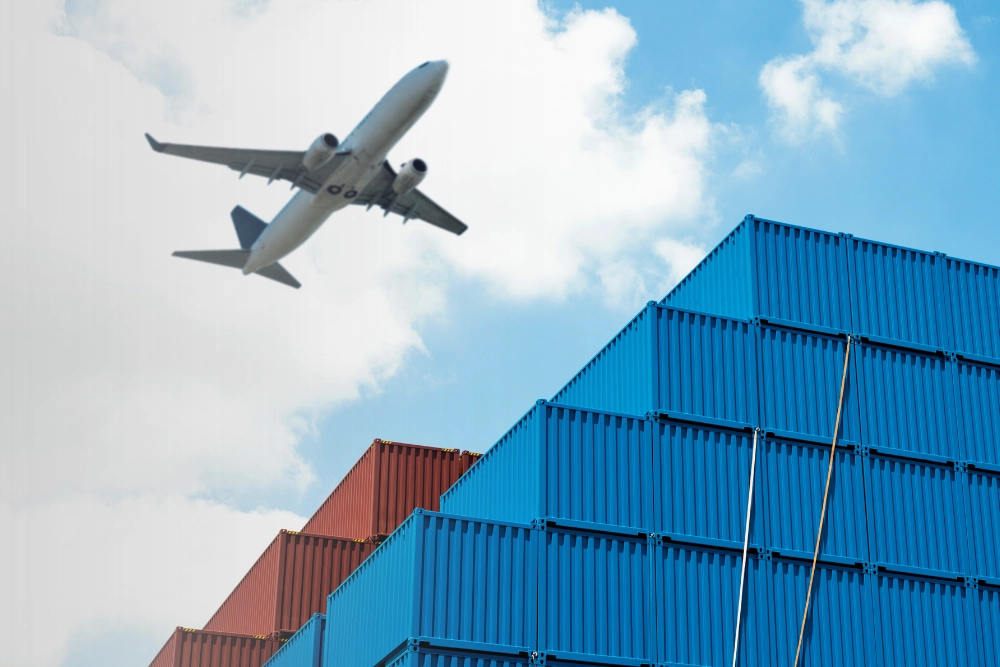
International freight involves more than choosing a way to move goods from one country to another. A single shipment can pass through trucks, ports, airports, terminals, and multiple transportation providers before it reaches its final destination. Coordinating those moving parts is the foundation of international shipping and transport logistics.
For businesses, each shipment brings its own set of decisions. How quickly does the freight need to arrive? Is air or ocean transportation the better fit? How will the shipment get to and from the port or airport? Factors such as shipment size, cargo type, destination, timing, and available transportation options can all influence the strategy.
This guide explores how international freight moves, where air and ocean shipping fit into the process, and the key considerations businesses can use when planning transportation across borders.
What Is International Shipping and Transport Logistics?
International shipping logistics covers the movement of goods across national borders and the planning required to coordinate that movement.
Unlike a shipment traveling between two domestic locations, international freight may involve several stages and transportation providers. Cargo may move by truck from its origin to an airport or port, continue internationally by air or ocean, and then move by truck or another transportation mode after reaching the destination country.
Transportation logistics helps coordinate those individual stages as part of a larger shipping plan.
Depending on the shipment, this can involve:
- Selecting transportation modes
- Coordinating pickup and delivery
- Planning routes
- Managing freight transfers
- Preparing and coordinating shipping documentation
- Tracking freight throughout its journey
- Managing transportation schedules
- Coordinating multiple carriers or transportation providers
The objective is not simply to move freight internationally. It is to develop a transportation strategy that fits the shipment's characteristics, destination, timing requirements, and broader supply chain needs.
How Does International Freight Shipping Work?
International freight shipping typically involves several stages between the shipper and final recipient.
The exact process varies according to the countries involved, transportation mode, type of cargo, and shipment requirements, but a shipment may move through the following general stages.
Shipment Planning
The process begins by evaluating the freight itself.
Important considerations can include:
- Origin and destination
- Shipment dimensions and weight
- Type of goods
- Required delivery timeline
- Transportation budget
- Handling requirements
- Air or ocean availability
These factors help determine an appropriate transportation strategy.
Pickup and Origin Transportation
Freight must first travel from the shipper's location to the appropriate transportation facility.
Depending on the shipment, a truck may transport the freight to an airport, seaport, terminal, or other consolidation point.
This part of the journey is sometimes called the first mile.
International Transportation
The international portion of the shipment may travel by air or ocean.
Air freight generally provides faster transit, while ocean freight can accommodate substantial quantities of cargo and containerized shipments moving across long distances.
The appropriate option depends on the freight and the shipper's priorities.
Destination Transportation
Once cargo arrives in the destination country and completes the required import processes, it still needs to reach its final destination.
This may involve truck transportation from a port, airport, terminal, or distribution facility to a warehouse, business, distribution center, or other receiving location.
Coordinating these different stages is a central part of international transportation logistics.
Air Freight in International Transportation
Air freight moves cargo between airports using aircraft and is commonly considered when transit time is a significant concern.
Because air transportation can cover long distances relatively quickly, it can be useful for shipments that need to reach an international destination faster than ocean transportation would typically allow.
Businesses may consider air freight for:
- Time-sensitive shipments
- Smaller international shipments
- High-priority freight
- Replacement parts and components
- Inventory needed on a tighter schedule
- Goods for which longer transit times could create supply chain problems
Air freight, however, is not automatically the right choice for every shipment. Shipment dimensions, weight, cargo characteristics, route availability, timing, and transportation requirements should all be evaluated.
Ocean Freight in Global Shipping
Ocean freight transports goods internationally by ship and is an important part of global freight movement.
It is particularly relevant when businesses need to transport containerized cargo or larger quantities of goods over long international routes.
Ocean transportation may be considered for:
- Containerized freight
- Larger shipments
- Regular international inventory movements
- Freight without extremely urgent delivery requirements
- Shipments where longer transit times can be incorporated into supply chain planning
Ocean freight requires businesses to plan around longer transportation timelines. Port schedules, inland transportation, documentation, and connections at both ends of the shipment can all become part of the logistics process.
What Factors Affect International Transportation Logistics?
Moving freight across international borders involves several interconnected decisions.
Understanding those variables can help businesses develop a transportation strategy that better fits their supply chain.
Origin and Destination
Available transportation options depend heavily on where freight begins and where it needs to go.
Access to ports, airports, terminals, and inland transportation networks can influence the available routes.
Freight Size and Weight
Shipment dimensions and weight can affect which transportation modes are practical.
A smaller, time-sensitive shipment may have different transportation requirements from a large containerized shipment.
Transit Requirements
Not every shipment has the same deadline.
Businesses should consider when the freight actually needs to arrive rather than selecting transportation based on speed alone.
Cargo Characteristics
The type of goods being shipped can influence transportation planning and handling requirements.
Cargo characteristics should therefore be evaluated before determining the transportation strategy.
Transportation Connections
International freight rarely begins or ends directly at an airport or seaport.
Trucking and other transportation services may be needed before and after the international portion of the journey.
Planning those connections is essential to developing a complete transportation solution.
Why Transportation Planning Matters for Global Freight
International shipping consists of more than the long-distance movement between two countries.
Each stage depends on another.
A delay in pickup can affect a planned departure. A poorly coordinated destination movement can leave cargo waiting after arrival. Selecting a transportation mode that does not match the shipment's actual timeline can create unnecessary supply chain complications.
Effective freight transportation logistics considers the complete journey rather than evaluating each segment independently.
Businesses should understand:
- Where the freight is coming from
- Where it needs to go
- When it needs to arrive
- What transportation modes are available
- How the different stages connect
- What documentation and handling requirements apply
- How the shipment fits into broader inventory and supply chain plans
This broader view is particularly valuable for businesses managing recurring international shipments or multiple transportation modes.
How Does a 3PL Support International Shipping?
A third-party logistics provider, or 3PL, can help businesses coordinate transportation and evaluate available freight options.
Instead of looking at only one stage of a shipment, a 3PL can help shippers consider how different transportation modes fit together.
For example, an international shipment may require domestic transportation to the departure point, air or ocean transportation between countries, and additional transportation after arrival.
A coordinated logistics approach helps businesses evaluate those stages as parts of one transportation plan.
For companies managing domestic and international freight, this can also provide a broader view of transportation activity across the supply chain.
Building an International Freight Strategy
There is no single transportation strategy that works for every international shipment.
A useful starting point is to evaluate the shipment against several practical questions:
- What are we shipping?
- How much freight is moving?
- Where is it going?
- When does it need to arrive?
- Which transportation modes serve the route?
- What happens before and after the international portion?
- How does the shipment affect inventory and other supply chain operations?
Answering these questions helps narrow the available options and makes it easier to determine whether air freight, ocean freight, or a combination of transportation services makes sense.
Businesses with recurring global shipments should also review their transportation strategy periodically. Changes in shipment volume, destinations, customer requirements, and supply chain priorities can change which transportation options are appropriate.
International Air and Ocean Freight With Logistics-Now
International freight can involve several transportation stages, making coordination an important part of the shipping process.
At Logistics-Now, we help shippers evaluate freight transportation based on their shipment characteristics, routes, timing requirements, and broader logistics needs.
If your business is planning an international shipment, our International Air & Ocean Freight services can help you evaluate transportation options for your freight. Contact us at 865-805-5463 to discuss your shipping requirements.
Frequently Asked Questions
What is international transportation logistics?
International transportation logistics is the planning and coordination involved in moving goods between countries. It can include transportation mode selection, routing, freight transfers, documentation, tracking, and coordination between the origin and final destination.
What is the difference between air freight and ocean freight?
Air freight transports cargo by aircraft and is generally considered when transit time is particularly important. Ocean freight moves cargo by ship and is commonly used for containerized and larger international shipments that can accommodate longer transit times.
How do businesses choose between air and ocean freight?
The decision depends on factors such as shipment size and weight, cargo characteristics, destination, transportation requirements, and required arrival time. Businesses should evaluate the entire shipment rather than choosing solely on the basis of transportation speed.
Does international shipping involve trucking?
It often can. Freight may need to travel by truck from its origin to an airport or seaport and may require additional inland transportation after arriving in the destination country.
What does a 3PL do for international freight?
A 3PL can help businesses evaluate and coordinate transportation options across different stages of a shipment. This can be especially useful when freight requires multiple transportation modes or carriers.
Is air or ocean freight better for international shipping?
Neither method is inherently better for every shipment. The appropriate choice depends on the freight, route, timeline, shipment size, and broader supply chain requirements.
Send Us a Message
Fill out the form below and we'll get back to you promptly.